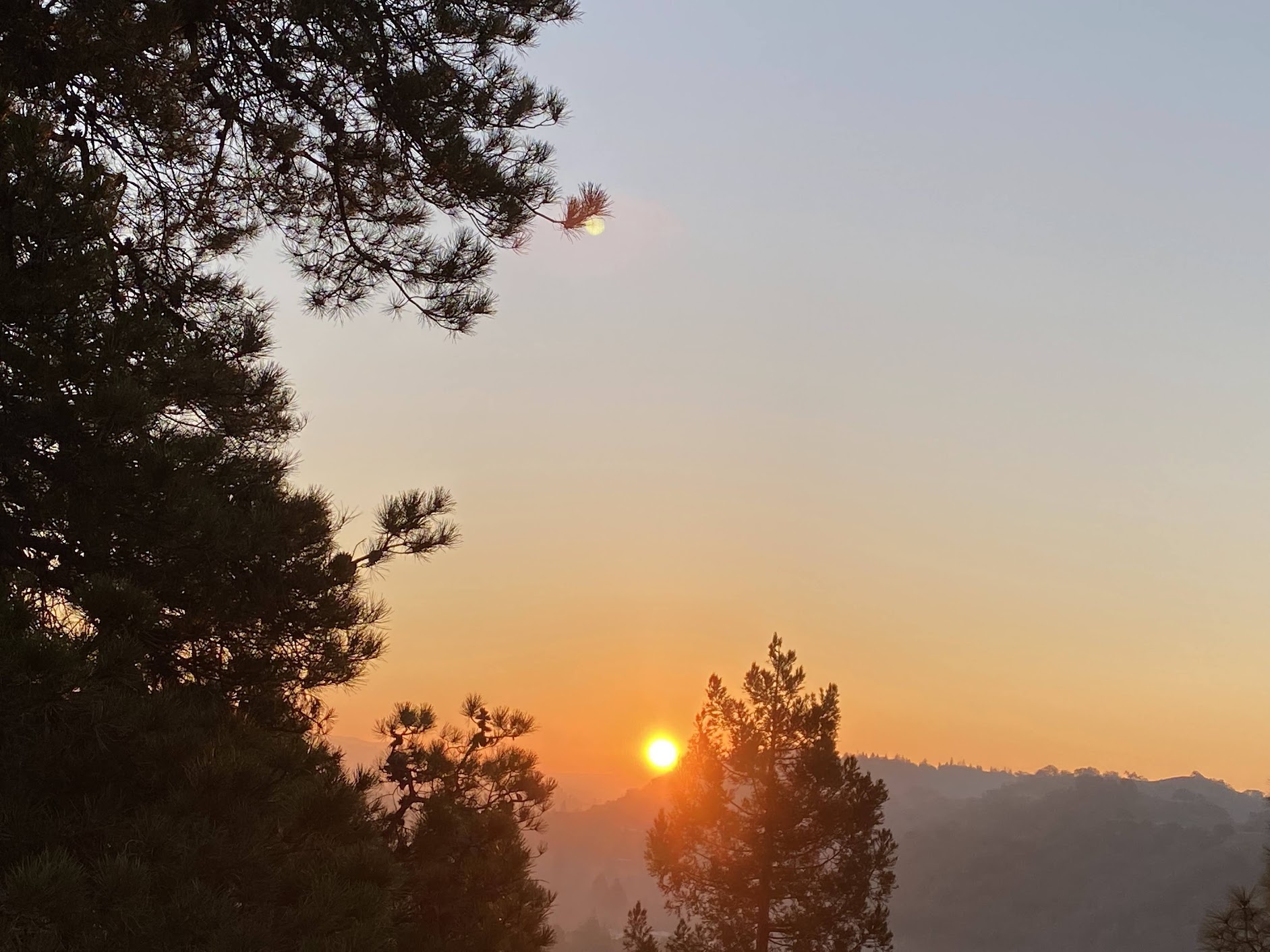
Colorless #Spring

Daffodils wither
my spring is so colorless,
bereft of delight.
dandelions surround me, 
with breeze of hope and healing.

***

Fireflies flutter
gleaming like fleeting moments
when evenings were fun!
In the cage of memories
I yearn for a golden spring.

*** 

This desolate bird
looks at the blue umbrella
song of spring echoes – 
a shrouded inspiration: 
azure sky is limitless.
© Balroop Singh

Thanks to Colleen for her 24 Seasons Poetry Challenge, which inspires syllabic poetry. I’ve highlighted the Kigo words.

Thank you dear readers for your love and support.

Please click for more poetry: Moments We Love

#Spring Equinox #TankaTuesday

Trees beam with color
birdsongs usher in spring dawn
dispelling darkness
yet my heart harbors a grudge
unsaid words wail wistfully.

Golden rays shake me
send an impassioned message –
positive thoughts help
wildflowers don dewy robes
Even the willows shimmer.

Doves coo in delight
haunting calls that pierce my heart
raking memories
blissful yesteryears hover
clasping me to offer balm.

Nebulous night drags
as I gaze at the ceiling –
empty, like my life.
Dare I swish the drape apart?
glance at the glorious dawn?
© Balroop Singh

Thanks to Colleen for her 24 Seasons Poetry Challenge, which inspires syllabic poetry. I’ve highlighted the Kigo words.

Many thanks to all my blogger buddies for coming over to read and share their thoughts. I am trying to come out of my cocoon to visit your blogs.

#Kouta #Syllabic #Poetry

View from my window

misty morning beckons me 
through the wide window
autumn sky waits for first glow
dewy dawn delights.

I step out to feel the air
a sudden chill pulls me back
cloak of the sun gets warmer
wind casts her magic.

Clouds drift to reveal the sun
first rays melt my muse
she confers with the colors
and creates this verse.
© Balroop Singh

Thanks to Colleen for the inspiration to write syllabic poetry.

The kigo word I chose – Autumn Sky

The kouta is a Japanese verse form, usually consisting of four lines but sometimes five, that tends to celebrate the average person’s everyday life in song. The most common variants seem to be 7/5/7/5 and 7/7/7/5, though these are only two possible variations.

Many thanks to all the readers who’ve read my latest release and shared their fabulous reviews of my poetry book –  Fusion – my latest release. This week, Colleen has shared her review of Fusion. Thank you!

#BookReviews: 5 #Stars for Each one!

Here are the latest books that I’ve read and reviewed. There are three more, which I would share in another post.

Mae takes you along to Harbor Inn, creates a perfect aura to immerse in the mystery that she creates from page one, with her signature style – “The creaking, jostling carriage,” “dusk made darker” by the dense pine and cedars, “heavy mist of the pacific and the clop of hoofbeats reverberating,” the rope burn that gaped on either side of his neck and the pocket watch – such is the symbolic portal that opens the moment you start reading The Price of Atonement. It is not just the style of writing that would keep you hooked, the exquisite prose and the characters evoke many emotions that linger long after you’ve read the last page. Fast-paced and packed with action, the story keeps getting darker as it proceeds. I could empathize with Iona and Willie. Leviticus too becomes worth loving as the mysteries fall apart.

Why is Leviticus searching for a particular spirit? What is his connection with the ghost? Why does he want her to cross over to the other world, willingly? What is the guilt that has brought him to Harbor Pointe? If you are an assiduous reader, you’ll find many hints to guess the answers to these questions. Iona would shock you but the reactions of Leviticus  have been brilliantly described.

The Price of Atonement is much more than a mysterious story, it stirs human values that lie dormant within us till somebody ignites them. I finished reading it within a few hours, as I couldn’t put it down. Highly recommended.

Dreamland by Patricia Furstenberg is a fascinating book – one of its kind, as it infuses new life into folklore and legends of the past. If you look at the mesmerizing cover of the book carefully, it conveys where it is going to transport you and how succinct the stories are. I’ve never heard the stories it tells, and therefore its charm doubled for me.

The stories speak about the art (cave paintings) that has survived wars, earthquakes and battles. Stories like ‘Ogling a Hen with Gold Eggs,’ Idyllic Edelweiss, Tough Luck at Lower Viseul have a magical appeal. Many legends from the regions of Romania come alive, and many of them tell how towns and villages got their names. Each story ends with a short piece of history to explain its significance. The prose is lyrical in many stories. There is poignancy, valor and discrimination embedded within the stories. It is a marvel how Furstenberg says so much within a 100 word story!

She seems to be a poet at heart. Her exotic style shines through such sentences:

“Spring’s shamrock changed its coat for a lustre-less pickle that turns to mulch through rainfalls.”

“Peaceful plains like a sleeping maiden naively awaiting the kiss of dawn’s brightest star.”

“Hope was a stern mistress.”

“Words whisper from a slab of red marble.”

“The mountain path like an emerald belt hugged the curves of Bargau Mountains whose tree-church sang of life and death.”

Patricia also shares beautiful pictures of the landscape, Romanian pottery, fortresses, churches and Banffy Castle. I enjoyed each moment of reading these stories.

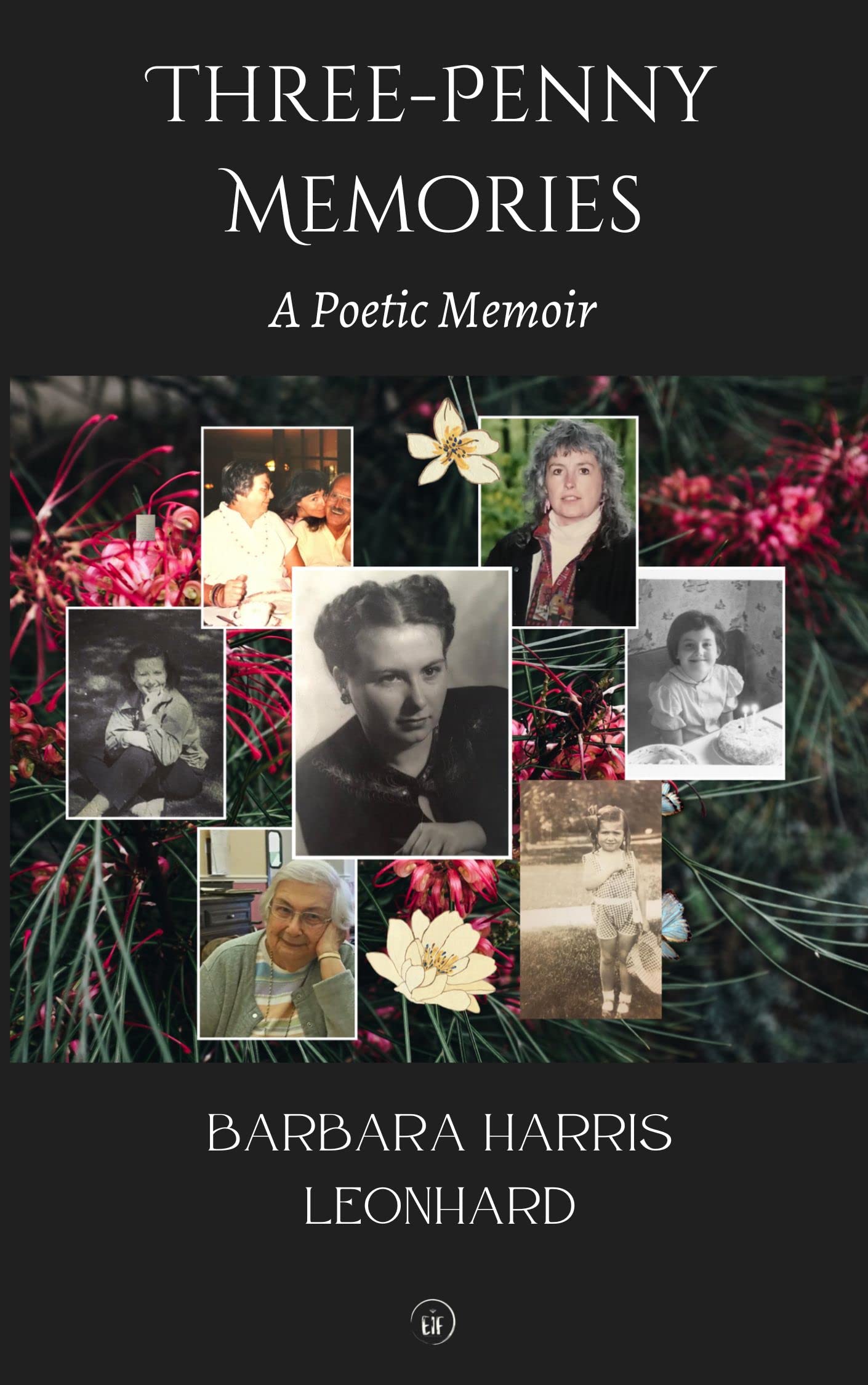
‘Three-Penny Memories’ is a powerful and poignant reflection on Leonhard’s life, her relationship with her mother and emotional upheavals that made her resilient.

Packed with emotions, most of the poems are about her mother’s Alzheimer’s but that takes her back to her encephalitis and she dwells on the weird connection with her mother’s condition. As a caregiver, she lays bare her struggle with the failing memory of her mother. Her dilemma – “I’m always torn. Mom or career? Mom or marriage? Mom or my own sanity?” A “doting daughter” who hangs onto the false hope that “mother will recover” evokes an uncanny kinship with the reader.

“Never a mother except to my own.” Just one phrase sums up the poet’s woes. The anguish of “my broken womb” continues to haunt her thoughts, resurfacing in many poems. Pain and guilt mingle to produce intense poetry that tugs at your heartstrings. 

While an ‘Ode to the Embryo’ wrenched my heart out, ‘An Unsanctioned Outing’ gave me goosebumps. It is brilliantly written with the metaphor of a bus. Leonhard’s love for her mother shines through ‘Mom’s Dreams’ and ‘The Phone of the Wind.’  What a befitting homage!

Some memorable phrases that stayed with me:

“Her memories linger as lint.”

“You shelter in my wound of wanting.”

Thank you! Happy reading!

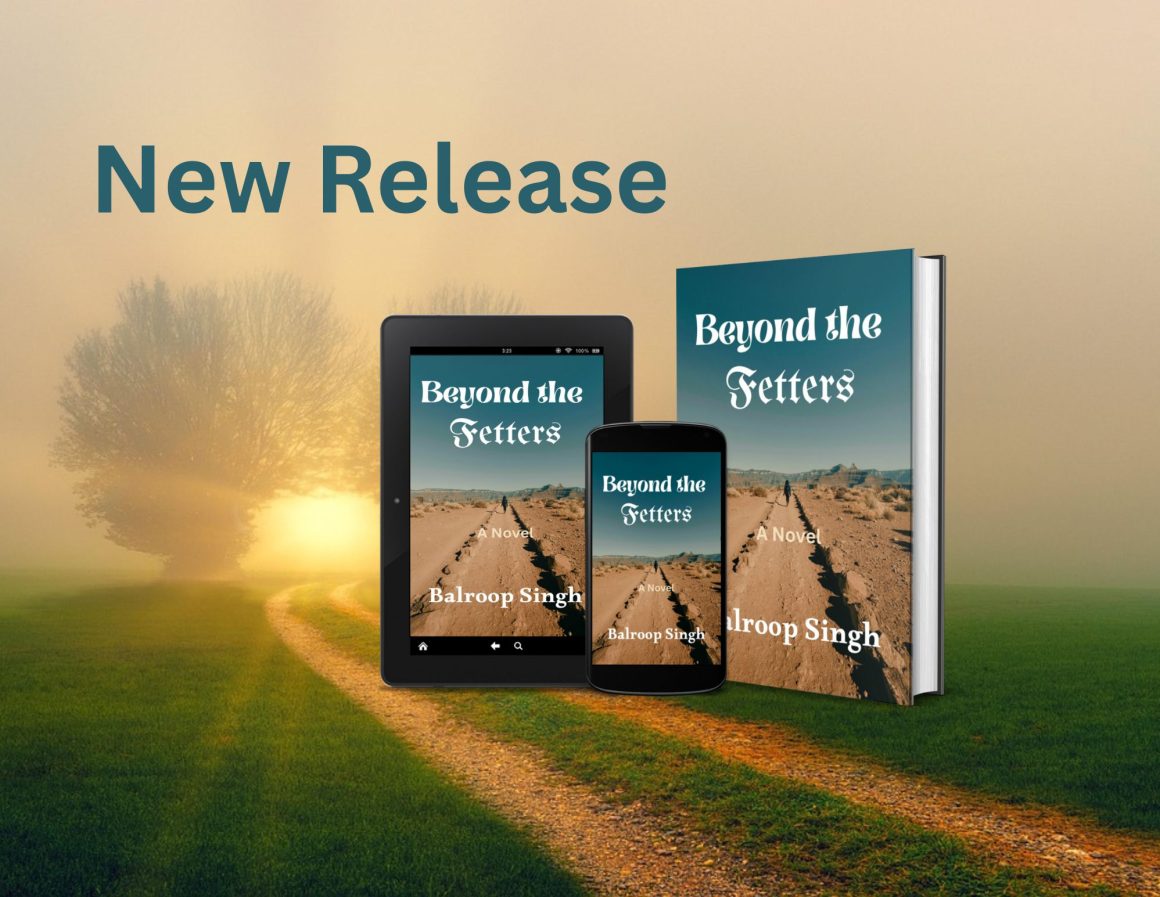
Many thanks to all the readers who’ve read my latest release and shared their fabulous reviews of my poetry book –  Fusion – my latest release
#BookReviews #Poetry #Stories

It’s been a while since I shared the reviews of the books I’ve read. Here are some of my favorites, each one got glittering five stars from me.

Deep in the Forest Where Poetry Blooms is divided into two parts – the first one is dedicated to seasons and Finn takes us along, as she walks through the forest. The second part of the book explores free spirit, in which she shares her musings from the back of the Harley.

Finn sits under the pink flowering dogwood tree and her imagination blends into the colors of spring, as Mother Nature awakens to offer a breath of life to the world around her; butterflies receive the gift of nectar and “soil bursts with new life.” Dawn filters through pines, as she watches the birds, flirting in the trees and honeybees returning to collect nectar. Even her furry friends celebrate the advent of spring and enjoy her company. 

Summer poems brilliantly capture the images of public pools and “droopy potted plants,” as “searing winds” change the colors of the landscape. Even the birds are quiet, while the poet is inspired by the silent summer day to write lovely haiku and tanka.

Fall evokes “peace” and more micro-poetry, as “leaves sway in the soft breeze” offering “tinted red” landscape. Winter poems talk about hush in the forest and exhort you to soak in the silence of the days to contemplate about the never-ending cycle of growth and rebirth.

‘Until’ is my favorite poem because of exotic imagery like: “Exquisite white flakes waltz from the heavens.” ‘Edge of the Ocean’ is also beautifully written.

“My recliner becomes my island” from ‘Float,’ “Winter’s frozen grasp” from ‘Winter Limericks,’ and “distance became my harmony” from ‘Distance’ also spoke to me.

Each poem in this collection would play with your senses, transport you to the forest to celebrate blissful moments and enjoy the magical portals that Mother Nature opens for us. Finn’s poetry introduces us to that magic with her amazing style of bringing it alive. The haibuns took my heart away. A fabulous collection – not to be missed.

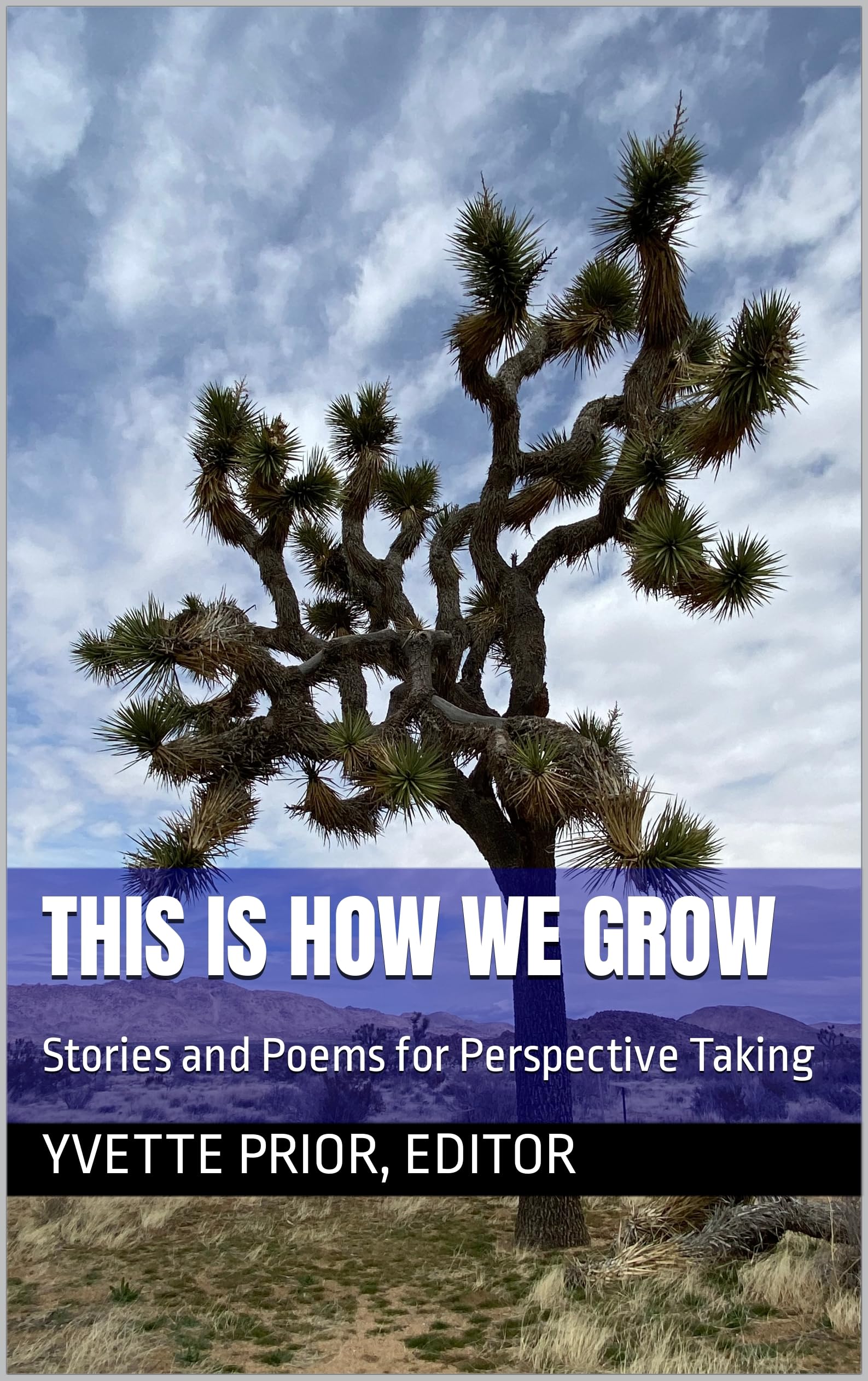
This is How We Grow is a learning experience, as the stories introduce the reader to various perspectives, which can only be discerned if we hear the point of view of those who have lived their lives in a different environment. The stories shared by Ana Linden exemplify this perfectly. Women may take pride in their liberation in some countries but they are still bound by traditional societies, as highlighted by Ana.

Robbie shares her experiences of raising her two sons and her poignant stories would wrench your heart out, remind you of your blessings and fill your heart with gratitude. I salute her willpower and grit that she could concentrate on her laptop while sitting in a hospital! ‘Cat Healer’ is another gem. I am not a cat lover but this story changed my perspective toward cats.

The stories that Mahesh shares are a breather, as he presents them with a dash of humor and tells you how the little moments of life are valuable and impactful. His exquisite style of writing shines through sentences like: “Then came the dial-up connection and worldwide web, like sips of water to someone delirious from thirst.”

Lauren exhorts you to develop self-compassion, while Mabel shares an honest self-reflection about her writing journey. All the stories are unique in their own way, as each one shows some aspect of life that needs to be understood from another point of view.

NIRMALA: The Mud Blossom highlights abject poverty, squalor, discrimination, domestic violence and misery that an innocent girl had to undergo in the stinking, unhygienic slums of Mumbai. Her crime –  she is a female! 

Pathan doesn’t leave anything to the reader’s imagination, as she vividly describes the untold physical and mental agony that is inflicted upon Nirmala. She transports you to the slums, making each nook and cranny come alive, so that you can smell the stench emanating from open drains, human excreta and garbage dump.

Nirmala’s character grows from a silent, helpless girl to a strong and resilient woman, eager to follow the demands of her family and traditions of society. Is that enough? Keep reading this fast-paced story, dripping with stark realism, which would seem unbelievable!

Happy reading!

Balroop Singh.

Have you checked  Fusion – my latest release?

Thanks to all the readers for their lovely support and reviews of Fusion.